Setting a Higher Standard in Laser Education
At National Laser Academy, our training is built on more than two decades of real-world clinical experience working with laser and energy-based technologies across a wide range of skin conditions.
Our program was created to bridge the gap between basic certification courses and the deeper knowledge required to perform treatments safely and consistently.
Students learn the science behind laser treatments, the clinical judgment required to treat patients responsibly, and the hands-on skills needed to succeed in today’s rapidly growing aesthetic industry.
Instruction incorporates principles reflected in ANSI Z136.3 laser safety standards and educational guidance from the American Society for Laser Medicine & Surgery (ASLMS).
Why Choose National Laser Academy?
Unlike many short demonstration-style courses, National Laser Academy focuses on developing knowledgeable, safety-focused laser practitioners through science-based education and hands-on training.
Science-Based Curriculum
Students learn the underlying principles of laser physics, chromophores, selective photothermolysis, skin anatomy, and tissue response, allowing them to understand not just how treatments work—but why.
Hands-On Device Training
Courses are taught in person with professional aesthetic laser and IPL equipment, giving students meaningful hands-on experience under instructor supervision.
Safety-Focused Education
Instruction incorporates principles reflected in ANSI Z136.3 – Safe Use of Lasers in Health Care and ANSI Z136.1 laser safety standards, emphasizing responsible and safe operation of energy-based devices.
Small Class Sizes and 1-one-1 Training
We intentionally limit class sizes to ensure students receive individual instruction, equipment time, and direct feedback throughout training.
Real-World Clinical Perspective
Students learn how to evaluate skin types, recognize contraindications, and make informed treatment decisions—skills essential for working in professional aesthetic settings.
What you will learn
The National Laser Academy certification program is designed to provide a structured introduction to the science, safety, and clinical application of laser and light-based technologies used in modern aesthetic practices.
Through structured instruction and mentorship, students develop the knowledge, technical awareness, and clinical judgment required to work responsibly with aesthetic laser devices.
Foundations of Laser Science
Students develop an understanding of the scientific principles that govern laser and light-based treatments, including:
• How laser energy is generated and delivered
• Chromophores and energy absorption in the skin
• The principle of selective photothermolysis
• Wavelength, pulse duration, and treatment parameters
• Thermal relaxation time and targeted tissue heating
This scientific foundation helps practitioners understand how treatments interact with the skin and why device settings matter.
Skin Biology for Laser Practitioners
Students gain a working understanding of the biological structures and processes that influence laser treatment outcomes, including:
• Skin anatomy and layers of the skin
• Fitzpatrick skin typing and pigmentation biology
• Melanin behavior and pigment targeting
• Vascular structures and hemoglobin absorption
• Wound healing and post-treatment tissue response
This knowledge supports safer treatment planning and improved patient assessment.
Clinical Applications of Laser & IPL
Students are introduced to the principles behind many of the most commonly performed aesthetic laser procedures, including:
• Laser Hair Reduction
• Photorejuvenation / IPL / Photo-Facials
• Treatment of pigmented lesions and brown spots
• Treatment of vascular lesions and spider veins
• Light-based acne treatments
• Skin rejuvenation and tone improvement
Instruction focuses on helping students understand the clinical reasoning behind these treatments.
Safety and Risk Management
Responsible operation of laser devices is central to professional practice. Students develop an understanding of:
• Laser safety principles and hazard awareness
• Patient assessment and treatment contraindications
• Risk factors associated with skin type and medical history
• Post-treatment care and complication awareness
Instruction incorporates principles reflected in ANSI Z136.3 – Safe Use of Lasers in Health Care, ANSI Z136.1 laser safety standards, and educational guidance from the American Society for Laser Medicine & Surgery (ASLMS).
Additional Technology Overview
Students also receive introductory classroom discussions covering technologies commonly used alongside laser treatments in aesthetic practices, including:
• Laser tattoo removal
• Radio frequency skin treatments
• Microneedling
• Permanent cosmetics
These modules provide broader exposure to technologies often integrated into modern aesthetic clinics.
Through this structured approach, students develop the scientific understanding and professional judgment needed to work responsibly with aesthetic laser technologies.
This approach helps ensure graduates understand not only how treatments are performed, but also the scientific principles and clinical reasoning that guide safe and effective laser practice.
Led by Real-World Clinical Experience
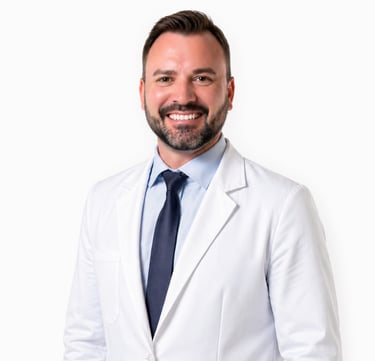
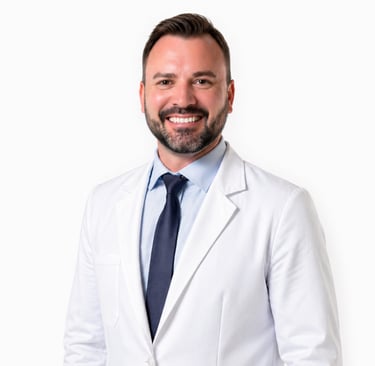
Our lead instructor brings over two decades of hands-on experience working directly with laser and energy-based technologies across a wide range of skin types and treatment indications. His background is grounded in real clinical practice, with extensive experience using multiple platforms and modalities to treat real patients in real-world settings.
Since 2006, Matt has privately trained and mentored professionals in laser science, safety, and clinical application. Through years of one-on-one instruction, he recognized a common challenge in the industry: many certification courses teach procedures, but fail to provide the deeper understanding needed to perform treatments effectively and consistently.
That realization led to the creation of National Laser Academy—a training program designed to make advanced laser education more accessible while raising the standard of training in the aesthetic laser field.
Rather than focusing on memorized treatment steps, our curriculum emphasizes scientific understanding, clinical judgment, and hands-on skill development. Students learn not only how treatments are performed, but why they work and how to adapt safely to different machines, patients, and conditions.
Our goal is simple: graduates should leave with the knowledge, confidence, and practical ability to perform treatments responsibly and effectively in modern aesthetic practices.